

Key Highlights
- Early orthodontic evaluation is crucial for children.
- Braces provide both aesthetic and functional benefits.
- Early intervention can prevent future dental issues.
- We offer a variety of braces options to suit your child’s needs.
- Our friendly staff is here to answer all your questions.
- Flexible payment options are available to make treatment affordable.
Introduction
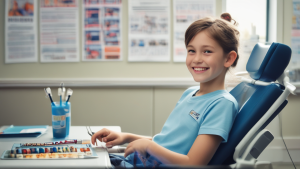
Navigating orthodontic treatment for your child can be tough. At our Ipswich practice, we focus on Ipswich orthodontics. We provide many options, like traditional braces and clear aligners. We know every child is different. That’s why we offer a free consultation. In this meeting, we will talk about your child’s needs and create a special treatment plan just for them.
Reasons to Consider Braces for Your Child in Ipswich
While people often think of braces as a way to make teeth look better, they do much more than that Braces in Ipswich can greatly help your child’s dental health and overall well-being. Here are some reasons to think about this orthodontic treatment for your child.
Several reasons can cause a child to need braces. These can include genetics, habits like thumb-sucking, and losing teeth too soon. No matter why your child needs them, getting orthodontic treatment early can effectively solve these issues.
The Importance of Early Orthodontic Evaluation
Early orthodontic checks, usually when kids are about seven years old, are important. These checks help find and fix any possible orthodontic problems. In the initial consultation, our skilled orthodontist will look closely at your child’s teeth, jaws, and bite. This early look helps us spot any issues and take action before they get worse.
Acting early has many benefits. It can help guide how the jaw grows, make room for new teeth, and may even shorten future treatment times. Taking care of these issues early leads to a healthier and straighter smile for your child.
Understanding the Benefits of Braces Beyond Aesthetics
One clear benefit of braces treatment is how it changes your child’s smile. Straight teeth are just one part of the story. Braces provide many advantages that affect your child’s overall health and well-being.
When teeth are aligned correctly, it helps with good oral hygiene. This makes it easier for your child to brush and floss well. Fixing bite issues can also help avoid problems like tooth decay, gum disease, and speech issues.
Preventing Future Dental Issues with Early Intervention
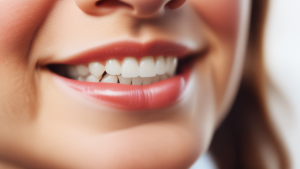
Orthodontic problems usually do not fix themselves. If you wait too long to get treatment, you may have to deal with tougher and more expensive procedures later. It’s important to get preventive dental treatment early.
By treating problems like crowding, misalignment, and bite issues early, you help your child avoid future dental health problems. In the end, starting orthodontic treatment early is a good investment in your child’s dental health for years to come.
Improving Bite and Jaw Alignment
Malocclusion, known as a “bad bite,” can make it hard to chew, speak, and even breathe. Traditional braces are great at fixing bite problems. They move teeth into better positions over time by using gentle, constant pressure.
Having a better bite helps your child’s teeth work well. It also makes the jaw muscles and joints feel less stressed. This can help prevent pain and problems related to temporomandibular joint disorder (TMD).
Boosting Your Child’s Confidence and Self-Esteem
A straighter, healthier smile can really boost your child’s confidence and self-esteem. When kids feel good about their smiles, it shows in how they interact with others. This can make them more sure of themselves.
Even though traditional braces work well, some kids might feel shy about wearing them. If your child wants a more discreet option, clear braces are a good choice. These almost invisible aligners help straighten teeth gently and effectively without drawing too much attention.
Correcting Crowding and Misaligned Teeth
Crowding happens when there isn’t enough room in the mouth for all the teeth. This can make teeth come in at the wrong angles and cause a crooked smile.
Traditional braces, which use metal brackets, are great for fixing these problems. They have brackets attached to each tooth. Wires connect the brackets and are tightened over time to help move the teeth into place. Even though they can be noticed more than other options, they are solid and dependable for correcting even tough alignment issues.
Enhancing Oral Hygiene and Preventing Tooth Decay
Keeping your teeth clean is important for everyone. But it can be hard for kids who have crooked or crowded teeth. These types of teeth can be tricky to clean, making it tough to brush and floss well.
Braces treatment can help by straightening teeth. This makes it easier to keep teeth clean and healthy. When teeth are aligned properly, there are fewer places for food and plaque to build up. This means a lower chance of tooth decay and gum issues.
Reducing the Risk of Gum Disease
Gum disease, or periodontal disease, is an infection that impacts the gums and the bones that hold the teeth in place. It happens more often in people with crooked teeth. This is because uneven teeth can create extra spaces where plaque and bacteria can build up, leading to higher chances of infection.
Choosing braces treatment is a smart way to lower the risk of gum disease for your child. In our range of treatments, we offer full support and advice during the orthodontic process. This way, we aim for the best oral health results.
Managing Teeth Grinding and Jaw Clenching
Teeth grinding, also known as bruxism, and jaw clenching are habits that many people, especially children, have. These habits can happen because of stress or anxiety. If not treated, they can lead to worn teeth, jaw pain, and headaches.
Sometimes, using orthodontic appliances like braces can help with teeth grinding and jaw clenching. Braces work by fixing bite problems and making the jaw align better. This can lower the strain on the jaw muscles, helping to ease these habits and protect the teeth from damage.
The Long-Term Health Benefits of a Properly Aligned Smile
The benefits of having a straight smile go beyond how it looks. Getting orthodontic treatment for your child helps with their health in the long run and can make a big difference in their well-being.
When you fix orthodontic problems early, you are not just making teeth straight. You are also preparing for better oral health throughout your life. This can help lower the chance of serious dental issues later. A healthy mouth can lead to better overall health and a happier life.

Conclusion
In conclusion, getting braces for your child in Ipswich is not just about looks. It’s about helping them have good oral health and confidence for years to come. Checking their teeth early can stop future dental problems, make their bite better, and raise their self-confidence. Braces can fix crowding, make it easier to clean their teeth and lower the chance of gum disease. This means they get long-lasting health benefits. If you are unsure about what your child needs, set up a visit with our experts in Ipswich. This way, your child can have a healthy and beautiful smile for the future.
Frequently Asked Questions
At what age should my child be evaluated for braces?
The right age for a first meeting with Ipswich Orthodontics is about seven years old. This gives us a chance to check for any orthodontic needs early on. We can then create a good treatment plan, even if we don’t start treatment right away.
How long does the typical braces treatment last for children?
Braces treatment for kids usually lasts between 1 to 3 years. This depends on how serious the alignment problems are. To get good results, it is important to make regular adjustments and take good care of the teeth.
What are the signs that my child might need braces?
Common signs that you might need braces are crooked teeth, trouble biting or chewing, breathing through your mouth, and having speech issues. If you see any of these signs, it’s a good idea to set up an orthodontic evaluation soon. In some cases, a rapid maxillary appliance (RME) may be needed.